



Polycystic Ovary Syndrome (PCOS) is a common hormonal condition that can affect menstrual cycles, ovulation, skin health, and fertility. Many women diagnosed with PCOS worry about whether they will be able to conceive naturally or need medical assistance. The good news is that many women with PCOS can become pregnant, although the time it takes and the treatment required may vary.
Understanding the condition and seeking appropriate medical guidance can make pregnancy planning easier. PCOS Treatment in Raipur focuses on managing hormonal imbalances, supporting regular ovulation, and addressing individual fertility concerns. Dr. Nikita Kalda helps women understand their reproductive health and discuss suitable management options based on their symptoms and medical history.
In this blog, we explore how PCOS affects fertility, which symptoms to watch for, how the condition is diagnosed, and what treatment options may help women planning a pregnancy.
What Is PCOS and How Does It Affect Fertility?
PCOS is a hormonal and metabolic condition that can affect how the ovaries function. Women with PCOS may have irregular periods, higher levels of androgens (hormones commonly present at higher levels in men), or ovaries with multiple small follicles visible on an ultrasound. PCOS can interfere with the regular release of an egg from the ovary, a process known as ovulation. When ovulation happens irregularly or does not occur, predicting the fertile window can become difficult.
A Gynecologist in Raipur can evaluate menstrual patterns, hormonal symptoms, and fertility concerns to help determine whether PCOS may be affecting conception.
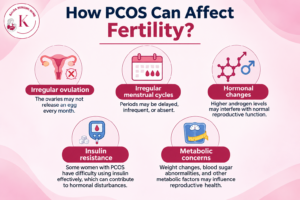
Common ways PCOS can affect fertility include:
- Irregular ovulation: The ovaries may not release an egg every month.
- Irregular menstrual cycles: Periods may be delayed, infrequent, or absent.
- Hormonal changes: Higher androgen levels may interfere with normal reproductive function.
- Insulin resistance: Some women with PCOS have difficulty using insulin effectively, which can contribute to hormonal disturbances.
- Metabolic concerns: Weight changes, blood sugar abnormalities, and other metabolic factors may influence reproductive health.
Early evaluation and appropriate PCOS Treatment in Raipur can help address these concerns and support a woman’s pregnancy goals.
Can You Get Pregnant With PCOS Naturally?
Yes, many women with PCOS conceive naturally. A PCOS diagnosis does not automatically mean infertility. Some women ovulate regularly enough to become pregnant without treatment, while others may need help to restore or stimulate ovulation.
The chances of conception depend on several factors, including age, ovulation patterns, general health, the duration of trying to conceive, and whether other fertility-related conditions are present.
Women with PCOS can consider the following steps while planning pregnancy:
- Track menstrual cycles and discuss irregular periods with a doctor.
- Maintain balanced nutrition and regular physical activity.
- Address blood sugar or other metabolic concerns when present.
- Avoid smoking and discuss alcohol use while trying to conceive.
- Take folic acid before pregnancy as advised by a healthcare professional.
- Seek fertility evaluation if conception is taking longer than expected.
A Gynecologist in Raipur can help identify whether ovulation is occurring and whether additional tests or treatment may be beneficial. With appropriate PCOS PCOD Treatment in Raipur, many women can work towards pregnancy with a plan suited to their individual needs.
What Are the Common Symptoms of PCOS?
PCOS symptoms can vary significantly. Some women notice changes in their periods, while others first seek medical advice because of acne, unwanted facial hair, or difficulty conceiving.
Common symptoms include:
- Irregular, infrequent, or missed periods.
- Difficulty getting pregnant due to irregular ovulation.
- Acne or oily skin.
- Excess facial or body hair.
- Thinning hair on the scalp.
- Weight gain or difficulty managing weight in some women.
- Darkened skin in body folds, which may be associated with insulin resistance.
Not every woman experiences all these symptoms. Having irregular periods alone does not confirm PCOS, and regular periods do not always rule it out.
If you notice persistent menstrual changes or symptoms that may indicate a hormonal imbalance, consult a Gynecologist in Raipur for an appropriate evaluation. Timely PCOS Treatment in Raipur can help manage symptoms and identify concerns that may affect future pregnancy planning.
How Is PCOS Diagnosed?
There is no single test that confirms PCOS in every patient. Diagnosis generally involves assessing symptoms, medical history, physical findings, and selected investigations while ruling out other conditions that can cause similar symptoms.
A doctor may consider the following:
1. Medical History and Menstrual Patterns
The doctor may ask about the age when periods began, cycle length, missed periods, acne, excess hair growth, and how long the patient has been trying to conceive.
2. Ultrasound Examination
An ultrasound may help assess the ovaries and reproductive organs when clinically appropriate. However, an ultrasound showing multiple small follicles is not enough on its own to diagnose PCOS.
3. Assessment of Other Conditions
Thyroid disorders, elevated prolactin, and other conditions can cause menstrual irregularities and may need to be excluded. During an assessment for PCOS PCOD Treatment in Raipur, Dr. Nikita Kalda can review the patient’s symptoms and test results to help determine an appropriate management plan.
How Does PCOS Treatment Help Improve Fertility?
The treatment approach depends on the patient’s symptoms, metabolic health, age, and whether the main goal is managing PCOS symptoms or becoming pregnant. PCOS Treatment in Raipur may include lifestyle measures, medication for associated conditions, or fertility treatment when necessary.
Lifestyle Changes
Balanced nutrition, regular physical activity, adequate sleep, and sustainable health habits can support overall metabolic and reproductive health. For women who are above their healthy weight range, gradual weight management may improve ovulation in some cases. However, weight loss is not necessary or appropriate for every patient.
Treatment for Insulin Resistance
Some women with PCOS have insulin resistance or an increased risk of type 2 diabetes. A doctor may recommend testing and, in selected cases, medicines such as metformin to address metabolic concerns. Metformin is not required for every woman with PCOS and should only be used under medical supervision.
Ovulation-Induction Medicines
For women experiencing infertility because of irregular or absent ovulation, medication may be recommended to encourage the release of an egg. Letrozole is commonly recommended as a first-line ovulation-induction medicine for many women with PCOS-related anovulatory infertility when there are no other infertility factors.
Other medicines or approaches may be considered depending on the patient’s response and medical circumstances. These treatments require appropriate monitoring and should not be taken without a prescription.
A Gynecologist in Raipur can explain the possible benefits, risks, and monitoring requirements of fertility medicines. Individualised PCOS PCOD Treatment in Raipur helps ensure that treatment decisions are based on the patient’s specific needs rather than a one-size-fits-all approach.
What Fertility Treatments Are Available for Women With PCOS?
If lifestyle measures or initial treatment do not result in pregnancy, additional fertility options may be discussed. The choice depends on ovulation, age, fallopian tube health, semen analysis results, and other relevant factors.
Ovulation Induction
Medication helps stimulate the ovaries to release an egg. Ultrasound or other monitoring may be used to assess the response and reduce the risk of complications.
Intrauterine Insemination (IUI)
In selected cases, IUI may be considered, particularly when the fallopian tubes are open and other clinical factors support this approach. Its suitability depends on the full fertility assessment.
In Vitro Fertilisation (IVF)
IVF may be considered when other treatments are unsuccessful or when additional fertility factors make it appropriate. Eggs are collected from the ovaries and fertilised in a laboratory before an embryo is transferred to the uterus.
Women with PCOS may have a higher risk of ovarian hyperstimulation during some fertility treatments, so careful planning and monitoring are important.
Dr. Nikita Kalda can discuss when referral for specialist fertility treatment may be appropriate as part of PCOS Treatment in Raipur. The most suitable option depends on the cause of infertility and the patient’s overall health.
Can PCOS Affect Pregnancy After Conception?
Many women with PCOS have healthy pregnancies and deliver healthy babies. However, PCOS is associated with a higher risk of certain pregnancy complications, including gestational diabetes and high blood pressure during pregnancy. The level of risk varies from person to person.
Potential concerns include:
- Gestational diabetes: Blood sugar levels become elevated during pregnancy.
- High blood pressure: Some women have an increased risk of pregnancy-related hypertension or pre-eclampsia.
- Pregnancy loss: Some studies have found an association between PCOS and miscarriage, although individual risk depends on several factors.
- Pregnancy-related complications: Metabolic health, age, and other medical conditions can influence outcomes.
These risks do not mean that complications will necessarily occur. Pre-pregnancy counselling, appropriate screening, and regular antenatal care can help identify and manage potential concerns.
A Gynecologist in Raipur can advise women with PCOS on preconception health, necessary investigations, and monitoring during pregnancy. Effective PCOS PCOD Treatment in Raipur should consider both fertility goals and overall health before and during pregnancy.
What Lifestyle Changes Can Support Fertility With PCOS?
Healthy habits can support metabolic health and may help improve menstrual regularity in some women. Lifestyle changes are useful alongside medical treatment when needed, but they do not guarantee pregnancy.
Follow a Balanced Diet
Include vegetables, fruits, whole grains, protein-rich foods, and healthy fats in suitable portions. Regular balanced meals may help support blood sugar management. There is no single PCOS diet that works for everyone.
Stay Physically Active
Activities such as walking, cycling, swimming, or strength exercises can support cardiovascular and metabolic health. Choose an activity level that is appropriate for your fitness and medical condition.
Maintain a Consistent Sleep Schedule
Adequate sleep supports general health and may help with energy, mood, and metabolic regulation.
Manage Stress
Stress management practices such as relaxation exercises, gentle yoga, or mindfulness may support emotional well-being. Stress alone does not explain every case of infertility, so persistent fertility concerns still deserve medical evaluation.
Avoid Unsupervised Supplements
Some supplements are promoted for PCOS, but evidence and safety vary. Discuss supplements, herbal products, and medicines with a healthcare professional, especially when planning pregnancy.
For women seeking PCOS Treatment in Raipur, a sustainable plan that combines healthy habits with appropriate medical advice can help address symptoms and support reproductive health.
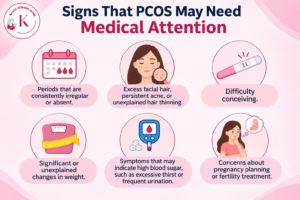
When Should You Consult a Gynecologist in Raipur for PCOS?
Consider seeking medical advice if you experience:
- Periods that are consistently irregular or absent.
- Excess facial hair, persistent acne, or unexplained hair thinning.
- Difficulty conceiving.
- Significant or unexplained changes in weight.
- Symptoms that may indicate high blood sugar, such as excessive thirst or frequent urination.
- Concerns about pregnancy planning or fertility treatment.
Women who have been trying to conceive for 12 months without success generally benefit from a fertility evaluation if they are under 35. Those aged 35 or older are generally advised to seek evaluation after six months. However, people with irregular or absent periods, known PCOS-related ovulation problems, or other recognised fertility concerns may benefit from evaluation sooner.
A Gynecologist in Raipur can assess menstrual patterns, review relevant tests, and recommend further investigation when appropriate. Seeking PCOS PCOD Treatment in Raipur early may help clarify the reasons for irregular ovulation and identify suitable next steps.
Frequently Asked Questions – PCOS Treatment in Raipur
1. Can a woman get pregnant naturally with PCOS?
Yes, many women with PCOS conceive naturally. Some ovulate regularly, while others may need help with ovulation. A Gynecologist in Raipur can assess fertility concerns and discuss whether treatment is necessary.
2. Does PCOS always cause infertility?
No. PCOS does not automatically cause infertility, although irregular ovulation can make conception more difficult. Appropriate PCOS Treatment in Raipur may help manage symptoms and support pregnancy planning.
3. How long does it take to get pregnant with PCOS?
There is no fixed timeline. It depends on age, ovulation, general health, and other fertility factors. Women with irregular or absent periods should consider an earlier assessment rather than waiting for a standard infertility timeframe.
4. Which treatment is best for PCOS-related infertility?
Treatment depends on the cause of infertility and the patient’s health. Letrozole is commonly used as a first-line ovulation-induction medicine for many women with PCOS-related anovulatory infertility. A Gynecologist in Raipur can determine whether it is suitable.
5. Can PCOS affect pregnancy after conception?
PCOS is associated with an increased risk of gestational diabetes and high blood pressure during pregnancy, although many women have healthy pregnancies. Appropriate antenatal monitoring and individualised PCOS PCOD Treatment in Raipur can help address relevant health concerns.
6. Can irregular periods due to PCOS make pregnancy difficult?
Yes. Irregular periods may indicate that ovulation is not happening consistently, which can make it harder to identify fertile days. PCOS Treatment in Raipur can help assess menstrual irregularity and determine whether ovulation support is needed.
7. Is weight loss necessary for every woman with PCOS to become pregnant?
No. Weight loss is not necessary or appropriate for everyone. Lifestyle recommendations should be based on individual health needs, and women at any body weight can benefit from appropriate assessment and treatment.
8. What tests may be needed before pregnancy with PCOS?
Depending on the patient’s history, testing may include hormonal investigations, blood glucose assessment, blood pressure measurement, and other fertility tests. A Gynecologist in Raipur can recommend the appropriate investigations rather than ordering every test for every patient.
9. Can PCOS symptoms improve with lifestyle changes?
Yes, healthy eating, regular physical activity, and adequate sleep may improve some symptoms and metabolic measures. However, lifestyle changes may not be sufficient for everyone, and medical treatment may still be needed as part of PCOS PCOD Treatment in Raipur.
10. When should I consult Dr. Nikita Kalda for PCOS and fertility concerns?
Consider consulting Dr. Nikita Kalda if you have irregular periods, symptoms suggestive of PCOS, or difficulty conceiving. A Gynecologist in Raipur can help evaluate your symptoms and discuss suitable PCOS Treatment in Raipur based on your pregnancy goals.
Conclusion – PCOS Treatment in Raipur
PCOS can affect ovulation and make conception more difficult for some women, but it does not mean pregnancy is impossible. Many women with PCOS conceive naturally, while others may benefit from lifestyle changes, medicines to manage associated conditions, ovulation-induction treatment, or other fertility options.
The right approach depends on individual symptoms, age, reproductive goals, and overall health. Early evaluation can help identify factors affecting fertility and support informed pregnancy planning.
If you have irregular periods, symptoms of PCOS, or difficulty conceiving, consult a specialist to discuss your concerns. Dr. Nikita Kalda can help you understand your reproductive health and explore appropriate PCOS Treatment in Raipur based on your individual needs.